
Maintaining an air conditioning system throughout the year is essential for optimal performance, energy efficiency, and longevity. Seasonal AC maintenance helps prevent unexpected breakdowns and ensures your home remains comfortable during hot months. Every homeowner should follow a comprehensive checklist to keep their unit running smoothly and avoid costly repairs. The first step in seasonal maintenance involves inspecting and replacing or cleaning air filters. Dirty filters restrict airflow, reduce efficiency, and can cause the system to freeze up or overheat. It is advisable to check filters monthly during heavy use but at least once every season to maintain proper airflow.
Next, homeowners should examine the outdoor condenser unit for debris such as leaves, dirt, or grass clippings that may have accumulated around it. Clearing away obstructions improves airflow and prevents damage to the fins and coils. Gently rinsing the condenser with a garden hose can remove stubborn grime without damaging delicate components; however, it is important to avoid using high-pressure water which could bend fins or harm electrical parts.
Inspecting refrigerant lines for leaks or damage is another critical task. Low refrigerant levels decrease cooling capacity and increase energy consumption while potentially harming the environment if leaked into the atmosphere. If any signs of leakage are detected-such as oily residue on pipes-contacting a professional technician for repair is necessary since handling refrigerants requires certification.
Checking electrical connections ensures safety and reliability during operation. Loose wires can cause shorts or intermittent functioning that might lead to system failure or fire hazards. Tightening terminals and inspecting contactors help maintain stable power supply within read the full report thermostat also deserves attention when performing seasonal upkeep. Calibrating it correctly guarantees accurate temperature control which directly affects comfort levels inside your home while optimizing energy use.
Lubricating moving parts such as fan motors reduces friction-related wear over time; this simple procedure extends component life without significant expense.
Finally, scheduling an annual professional inspection complements regular homeowner efforts by providing thorough diagnostics including coil cleaning, pressure testing, ductwork examination, and overall system evaluation that only trained technicians can deliver comprehensively.
By following this seasonal AC maintenance checklist diligently each year before peak cooling periods begin-and again after heavy usage ends-homeowners protect their investment through improved efficiency, reduced repair costs, enhanced indoor air quality, quieter operation, and prolonged equipment lifespan essential for reliable comfort in all seasons.
Related Posts
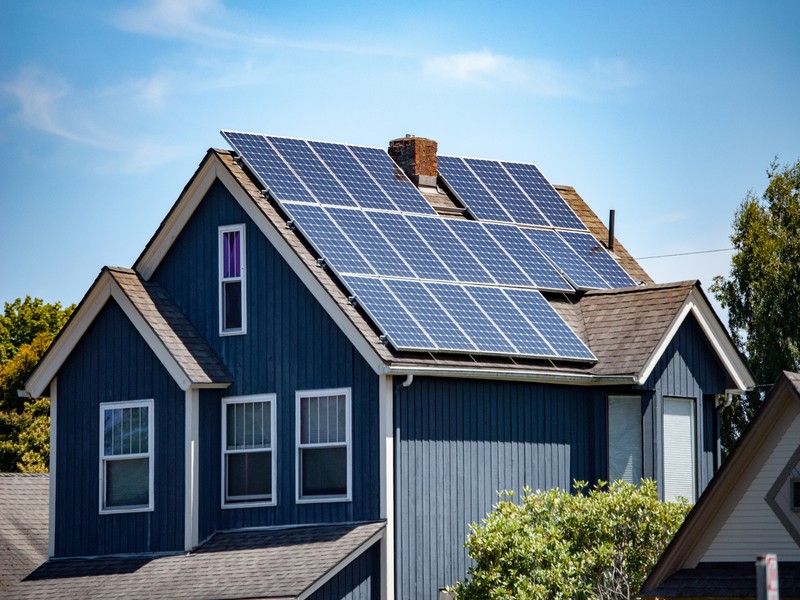
How Solar Installation and maintenance Improves Energy Savings
Solar installation and maintenance play a crucial role in enhancing…

Affordable Manassas Stump Grinding Service for Residential Properties
When it comes to maintaining the beauty and safety of…
Achieve Perfect Teeth with North Vancouver Invisalign
Achieving the perfect smile is a desire shared by many,…